This is a demo store. No orders will be fulfilled.

Electric Cooker vs Gas Cooker: Which Is Best for Your Kitchen?

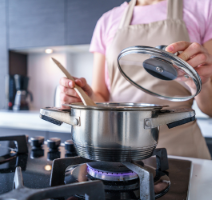
Choosing between an electric cooker vs gas cooker is one of the most important decisions you’ll make when upgrading your kitchen. Both options offer unique benefits, and the right choice ultimately depends on how you cook, your kitchen setup, and your personal preferences.
At Joe Graham & Son Ltd, we’ve helped customers across Milton Keynes find the perfect cooker for their homes for years. Whether you’re replacing an old appliance or designing a new kitchen, we’re here to guide you every step of the way.
In this blog, we’ll break down the key differences between a gas cooker vs electric cooker, helping you decide which is best suited to your needs.
Contact us for expert advice on choosing the right cooker for your kitchen.
Understanding the Basics: Electric Cooker vs Gas Cooker
Before comparing the two, it’s important to understand how each type works.
A gas cooker uses natural gas or LPG to fuel both the hob and oven, providing instant heat through an open flame. The fuel type, whether gas or electric, plays a significant role in determining the appliance's performance and features.
An electric cooker (or electric stove) uses electricity to power heating elements in the oven and hob. Electric and gas ovens each have unique characteristics: electric ovens are known for consistent temperatures and even baking, while gas ovens offer rapid heat and moisture retention.
Both are popular choices across the UK, but they offer very different cooking experiences.
The Benefits of a Gas Cooker
Gas cookers, featuring responsive gas burners and a versatile gas range, have long been a favourite among home cooks and professionals alike. Many choose gas cookers for their precise heat control and the ability to quickly adjust temperatures, making them ideal for a variety of cooking techniques.
A gas oven typically preheats faster than an electric oven, usually taking about 10-15 minutes to reach the desired temperature, while electric ovens can take up to 10 minutes longer. Additionally, gas ovens create a moister cooking environment, which can impact the texture and outcome of certain dishes.
When installing a gas cooker or gas oven, it’s important to be aware of the potential risk of gas leaks. To ensure safety and compliance with regulations, always have your appliance installed by a qualified professional accredited by the Gas Safe Register.
Instant Heat and Control
One of the biggest advantages of a gas cooker is that it provides more control over cooking temperatures, allowing you to adjust the heat instantly and precisely. You can turn the flame up or down and see the change immediately, making it ideal for precise cooking. Gas ovens typically use 'gas mark' settings for temperature control, which differ from the degrees Celsius settings found on electric ovens, so understanding these can help ensure accurate temperature adjustments.
Lower Running Costs
When deciding between a gas or electric cooker, it's important to consider electricity costs, as they significantly impact ongoing expenses. In many cases, gas is cheaper than electricity, which can make gas cookers more cost-effective to run over time.
Traditional Cooking Experience
Many people simply prefer cooking with gas, often choosing to stick with a gas model due to familiarity and tradition. The visible flame gives a sense of control and familiarity that electric cookers don’t replicate.
Better for Certain Cooking Styles
Gas is particularly well-suited to frying, stir-frying, and boiling, where rapid heat changes are essential. The open flame and responsive controls allow for precise temperature adjustments, making it ideal for searing or sautéing in a pan. However, gas hobs use pan supports and raised burners, which can make cleaning more challenging and affect heat distribution. Additionally, gas hobs are less efficient, operating at about 40-55% efficiency due to heat loss around the sides of the pan.
Get in touch today if you’re considering upgrading to a gas cooker in Milton Keynes.
The Benefits of an Electric Cooker
Electric cookers have evolved significantly and are now a popular choice for modern kitchens. An electric stove typically features electric hobs and a flat, ceramic-glass cooking surface, which not only simplifies cleaning but also provides even heat distribution. Electric ovens generally provide a drier heat, making them ideal for achieving crispy textures in baked goods. Thanks to their smooth, flat surfaces, electric cookers are easier to clean than gas cookers, which often have more intricate designs that can trap food and grease.
Even Heat Distribution
An electric cooker provides consistent and even heat, especially in the oven, thanks to hot air circulation that ensures uniform cooking and baking results. Electric stove burners also help retain heat during cooking, making them efficient for simmering and boiling. Standard electric ceramic hobs operate at 70-80% efficiency. In contrast, gas ovens tend to have less even heat distribution due to the absence of fans, which can lead to uneven baking temperatures. This makes electric cookers perfect for baking and roasting.
Ease of Use
Electric cookers are often simpler to use, with straightforward controls and fewer variables to manage. Induction hobs, in particular, stand out as the most efficient and user-friendly option, offering efficiency ratings between 85-95%. They provide faster heating times, precise temperature control, and are easier to clean compared to electric and gas hobs.
Sleek Design Options
Many electric cookers, particularly ceramic and induction models, feature smooth surfaces that are easy to clean and look great in contemporary kitchens. Additionally, many electric cookers come with an integrated grill, which provides even browning and consistent results for a variety of dishes.
No Gas Supply Required
If your home doesn’t have access to gas, an electric cooker is the obvious choice. Keep in mind that installing an electric cooker may require a dedicated circuit and a 220/240-volt outlet, which should be fitted by a qualified electrician to ensure safe operation. Additionally, electric and induction hobs do not carry risks associated with gas leaks or open flames, making them a safer option for many households.
Contact our team for tailored advice if you’re unsure whether electric is right for your home.
Gas Cooker vs Electric Cooker: Key Differences
When comparing a gas cooker vs electric cooker, the main difference between gas vs electric appliances lies in their fuel source and how they affect cooking performance. Choosing between a gas or electric cooker depends on your cooking style and kitchen setup, as each type offers unique advantages and limitations. It helps to look at the key factors side by side.
1. Heat Control
-
Gas cooker: Instant, responsive heat
-
Electric cooker: Slower to heat but more consistent
2. Cooking Performance
Gas: Excellent for hob cooking
Gas cookers are favoured by many chefs for their instant heat and precise control over cooking temperatures, especially on the hob. The ability to quickly adjust the flame allows for immediate changes in heat, which is ideal for sautéing, simmering, or searing. Gas ovens also tend to heat up faster than electric ones, making them convenient for those who want to start cooking right away. However, gas ovens can sometimes have uneven heat distribution, which may affect baking results.
Electric: Superior for baking and roasting
Electric ovens excel at maintaining consistent cooking temperatures, which is crucial for baking and roasting. This even heat distribution is particularly beneficial when preparing baked goods or roasting a thicker piece of meat, as it ensures thorough cooking and a better texture throughout. Electric cookers are often preferred for their reliability in holding the ideal temperature, making them a top choice for anyone who enjoys baking cakes, pastries, or roasting joints of meat.
3. Energy Efficiency
Gas: Gas cookers are often cheaper to run because gas prices per unit are typically lower than electricity costs. However, they tend to lose more heat during cooking, making them less energy efficient overall.
Electric: Electric cookers are more efficient in heat retention, meaning less energy is wasted during cooking. While they use energy more efficiently, higher electricity costs can impact the overall savings compared to gas cookers. Additionally, as the energy grid transitions towards renewable energy, electric cookers are increasingly considered the climate-friendly choice.
4. Installation
-
Gas: Requires a dedicated gas line and professional fitting. If your kitchen only has electric fittings, installing a gas line for a gas model can cost over £500 in plumbing fees.
-
Electric: Easier to install in most homes
5. Cleaning and Maintenance
-
Gas: More components to clean
Gas cookers have removable pan supports, burners, and trivets, which can be fiddly and time-consuming to clean. Food and grease can get trapped around the burners and supports, requiring regular deep cleaning.
-
Electric: Smooth surfaces are easier to wipe down
Electric hobs typically feature a smooth, flat cooking surface, often ceramic-glass or induction, which makes wiping up spills much easier than with gas hobs. With no pan supports or exposed burners, electric hobs are quicker to clean and maintain, offering a clear advantage in everyday kitchen use.
Get in touch today to learn more about installation options for your new cooker.
Electric Cookers: Exploring Your Options
Electric cookers come in several styles, each offering different benefits. When comparing electric and gas ovens, or considering dual fuel cookers, it's important to think about which fuel type best suits your needs, as your choice of fuel type (electric, gas, or dual fuel) will impact your cooking experience and the features available in your appliance.
Ceramic Electric Cookers
These feature a smooth, flat ceramic-glass cooking surface that is easy to clean and may include pan supports for added stability when using pots and pans.
Induction Electric Cookers
Induction cookers are the most advanced type of electric cooker, using electromagnetic technology to heat pans directly. Induction hobs are the most efficient type of electric hob, offering rapid heating and precise temperature control compared to traditional electric and gas hobs.
Gas Cookers: What You Need to Know
Gas cookers are known for their reliability and control, featuring gas burners and a gas range that use an open flame for versatile cooking. With a direct gas supply, these cookers allow for precise heat adjustment, making them ideal for a variety of cooking techniques.
Open Flame Cooking
The visible flame allows for precise adjustments, making it easier to achieve the perfect temperature.
Versatility
Gas cookers are suitable for a wide range of cooking styles, from simmering sauces to high-heat frying, and are especially effective for pan-based techniques like sautéing and stir-frying due to the precise control and responsiveness of gas burners.
Installation Considerations
You’ll need a gas supply, and gas cookers must be installed by a qualified professional accredited by the Gas Safe Register, which adds to the initial installation cost to ensure safety and compliance.
Contact us for expert advice on choosing and installing a gas cooker safely.
Dual Fuel Cookers: The Best of Both Worlds
If you’re torn between the benefits of gas and electric cookers, dual fuel cookers could be the perfect solution for your kitchen. These versatile appliances combine a gas hob with an electric oven, giving you the best of both worlds in one cooker.
With a dual fuel cooker, you get the instant, responsive heat and precise control of a gas hob, ideal for everything from rapid boiling to gentle simmering. At the same time, the electric oven delivers consistent temperatures and superior heat distribution, making it perfect for baking, roasting, and cooking large batches of food evenly.
This combination means you don’t have to compromise on your cooking style. Whether you love the hands-on control of gas for frying and sautéing, or you rely on the even, reliable heat of an electric oven for baking, dual fuel cookers offer flexibility and performance. Many home cooks and professionals alike appreciate the ability to switch between gas and electric, depending on the dish.
Dual fuel cookers are available in a range of sizes and styles, so you can find one that fits your kitchen and cooking needs. If you want the ultimate in control, versatility, and cooking results, a dual fuel cooker is well worth considering.
Which Cooker Is Best for Your Kitchen?
So, when it comes to an electric cooker vs gas cooker, which should you choose? Your decision will largely depend on your preferred fuel type and specific cooking needs, as choosing between a gas or electric cooker can impact performance, features, and running costs.
Choose a Gas Cooker If:
-
You want instant heat control
-
You enjoy hands-on cooking
-
You already have a gas supply
Choose an Electric Cooker If:
-
You prioritise even cooking results
-
You prefer low-maintenance appliances
-
You don’t have access to gas
There’s no one-size-fits-all answer; it all comes down to your needs and preferences.
Finding the Right Cooker in Milton Keynes
If you’re searching for a cooker in Milton Keynes, it’s important to choose a supplier you can trust.
At Joe Graham & Son Ltd, we offer a wide selection of gas or electric cookers, along with expert guidance to help you make the right choice.
We take the time to understand your requirements and recommend options that suit your home and budget.
Contact our team for tailored advice and find the perfect cooker for your kitchen.
Installation Matters More Than You Think
No matter which type of cooker you choose, proper installation is essential. Electric cookers often require a dedicated circuit with a 220/240-volt outlet, while gas cookers need a suitable gas line for safe and correct operation.
We always recommend professional installation to ensure:
-
Safety compliance
-
Correct setup
-
Optimal performance
Our experienced team can handle everything for you, giving you peace of mind.
Get in touch today to arrange your cooker installation in Milton Keynes.
Making the Right Choice for Your Home
Deciding between a gas cooker vs electric cooker doesn’t have to be difficult. Understanding the difference between gas vs electric cookers and choosing the right fuel type is essential for making the best decision for your kitchen. By considering these differences and your own needs, you can confidently select the right appliance.
At Joe Graham & Son Ltd, we’re here to help you every step of the way, from choosing the right cooker to installation and beyond.
Contact us for expert advice and let us help you find the perfect cooker for your home today.
April 27, 2026
|
View: 70
|
By: <a class="mp-info" href="https://joegraham247stag.findesolutions.co.uk/blog/author/admin.html">Admin</a>
About the Author

Ceramic vs Induction Hob: What's Best Compared to Gas
December 7, 2022


Signs Your Fridge Freezer Isn't Running As It Should
March 15, 2019
History of the Dyson Company
May 30, 2015




Which Slow Cooker Is the Best for Your Home?
April 27, 2026

Top Kitchen Appliances Brands to Consider for Your Home
April 27, 2026

Best Fridge Freezers: Top Models and Brands
March 23, 2026
