This is a demo store. No orders will be fulfilled.

Energy Ratings Explained: A Guide on How to Save Money with Energy-Efficient Domestic Appliances & How to Calculate Them

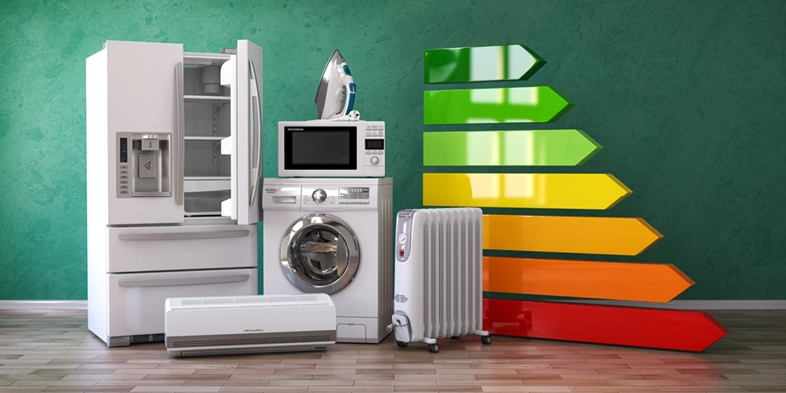
With the cost of living rapidly rising and the price of energy still sky-high, people are looking to save money wherever they can this winter. Therefore, a high emphasis has been put on how energy efficient your appliances are, and the more energy efficient the appliances you use at home are, the more you can end up saving on your energy bills. However, when it comes to energy-efficient appliances, many people are confused about what an energy-efficient appliance actually is and how it can save you money in the long term on your energy bills. Fortunately, this guide will break down all the basics, from what energy-efficient appliances you should be looking for, what energy ratings mean, how energy ratings are calculated per appliance and how to improve your home appliances so they are as energy efficient as possible.
Need expert advice on the best energy-efficient appliances for your home? Get in touch with our friendly team today; we're here to help you save money and energy!
Energy ratings
Initially, it is important to understand the basics of what an energy rating actually is. An energy rating is a metric which identifies how energy efficient an appliance is based on the amount of energy it consumes. Their main purpose is to help identify to the customer how much the running cost and carbon emissions that a particular appliance will use in the long term in a simple and easily identifiable way.
UK energy ratings are used to assess the energy efficiency and environmental impact of both appliances and properties, helping consumers and homeowners make informed decisions.
The Europe-wide energy label uses a simple system of A to G. An appliance that is labelled with an energy rating of A means that this particular appliance falls into the most energy-efficient appliance category possible. An A-rated energy-efficient appliance consumes the least amount of energy and produces the least amount of carbon emissions, therefore, saving you the most money on your energy bills. Put this in comparison to a G-rated energy-efficient appliance, which is in the group of the least energy-efficient appliances on the market. This means that an appliance that is rated energy efficiency of G will consume the most amount of energy and produce the most carbon emissions, costing you the most on your energy bills.
As a general rule, appliances with an energy efficiency rating of C and above will save you the most amount of money on your energy bills. Often, you will see that the lower the energy rating of an appliance, the cheaper the appliance will cost. Now, this may seem like a great deal; however, it is important to factor in the running costs and lifetime value of the appliance. For example, a G-rated appliance may be cheaper to buy than an A-rated appliance; however, it is important to note the lifespan of the product, the amount you will use it and the energy costs. More often than not, when you have calculated the costs, the A-rated appliance will often save you ten times as much in the long run and is often the better deal when it comes to saving money on your energy bills.
Energy Performance Certificates (EPCs) show the energy efficiency rating and environmental impact rating of a property. The EPC rating is based on how much energy a property uses per square metre, through heating and lighting, and a higher Standard Assessment Procedure (SAP) score means a better EPC. The EPC is legally required when a property is built, sold, or let, and the assessment process involves a thorough evaluation by a qualified energy assessor.
The energy rating system encourages manufacturers to develop more environmentally friendly products, driving innovation and helping consumers reduce their environmental impact.
Ready to save money and energy with the best appliances? Contact us today to get expert advice and find your perfect energy-efficient solution!
Appliance energy labels explained
Often, when you walk into an appliance showroom or take a good look at your domestic appliance, you will find a large white energy rating label depicting the European energy rating A to G code. This A to G rating is shown within a rainbow colour code, with a rating showing A in green to G in red. This helps customers to easily and quickly distinguish how energy efficient that particular appliance they are looking at is. Appliance energy ratings apply to a wide range of household appliances, including fridge freezers and washer dryers.
The information you may find on these energy rating labels is the following:
-
Energy Rating: The A to G rating depicts how energy efficient your appliance is.
-
Energy Use: The label will tell you how much energy your appliance uses in kWh. This is useful because it can help you calculate how much your energy bills will cost to use this particular appliance. The energy use for appliances is calculated differently depending on the appliance, and we will explore this in more detail further in the guide.
-
Manufacturer Model Information: It will provide the key information regarding your appliance and is often found at the top of the white label.
-
QR Code: The label will also contain a QR code, which you can scan, and it will take you to the appliance manufacturer’s website to provide more details.
-
Additional Details: The label may include information about electronic displays (for TVs and monitors), noise emitted (for refrigeration and laundry appliances), and annual energy consumption in kWh.
Energy ratings for home appliances help consumers compare different models based on energy efficiency and running costs. These ratings are determined through standardised testing that measures energy consumption based on specific usage scenarios.
Need a bespoke solution tailored just for you? Get in touch with our experts today and discover the perfect energy-efficient appliances for your home!
How energy ratings are calculated per appliance
Although energy ratings are calculated on the amount of energy an appliance uses, the tests conducted for each different appliance can differ depending on which appliance manufacturers are working out the energy rating for. Energy saving appliances are designed to use less power, helping to reduce your energy bills and lower your household’s overall energy consumption. As a rule to follow when looking at kWh, the fewer units of energy, the better its rating and the fewer carbon emissions it releases. The tests for each type of appliance vary and are measured by the following:
-
Washing machines: The energy rating is conducted based on how much energy they use per 100 cycles in eco mode. When buying a new washing machine, always check the energy label to ensure you are choosing an efficient model.
-
Dishwashers: The energy rating is calculated based on how much water and energy the dishwasher uses over 100 cycles on eco mode.
-
Refrigeration appliances: The energy rating is calculated on a handful of factors, including the size of the appliance and how many features it has.
-
Cookers: The energy rating is calculated depending on the size of the cooker and how much energy they use when heating a brick to 55 degrees.
Choosing a new appliance that is appropriately sized for your household can prevent wasting energy and resources. Household appliances are tested under standardised conditions to determine their energy ratings, ensuring fair comparisons. Using appliances that are too large for your needs or running them when not full leads to wasting energy, higher costs, and unnecessary environmental impact.
How to calculate how much your appliance will cost you to run
In order to calculate how much your appliances cost to run, firstly, you must calculate how much power each specific appliance consumes. To work out the power consumption of an appliance, use the following formula:
Wattage (kWh) x Operational hours = Power consumption of an appliance
As an example, you may use a fridge 24 hours a day for a whole year. You would need to identify the wattage of your fridge using the energy-efficient label on your appliance and multiply it by the number of hours in a year.
100 Watt x 8,760 hours per year = 876,000
Watt hours = 876 kWh
Annual energy consumption is often shown in kilowatt-hours (kWh) per year or per 100 cycles on the energy label, making it easier to compare appliances.
To calculate energy bills, take the average energy tariff rate and multiply it by the power consumption of the appliance:
Electricity cost per year = Power consumption x Electricity tariff
876kWh x 0.34 pence = £297.84 per year on energy bills
Understanding energy ratings can help you save energy and reduce running costs, especially when choosing between different appliances.
Environmental Impact of Energy Consumption
The way we use energy at home has a significant impact on the environment. High energy consumption leads to increased greenhouse gas emissions, which contribute to climate change and a larger carbon footprint. By adopting energy-efficient practices and choosing energy efficient appliances, homeowners can play a vital role in reducing these negative effects.
Simple changes, such as switching to energy saving lightbulbs, turning off electrical appliances when not in use, and investing in appliances with a high energy efficiency rating, can make a noticeable difference. In the UK, government initiatives encourage households to reduce energy usage and adopt more sustainable habits. By making these changes, you not only lower your energy bills but also help protect the environment for future generations. Every step towards greater energy efficiency, no matter how small, helps reduce greenhouse gas emissions and supports a healthier planet.
How to improve the energy efficiency of your home appliances
Upgrading to modern insulation and sealing gaps and draughts are crucial steps in improving a home's energy efficiency rating. Investing in energy-efficient upgrades, such as insulation, can lead to lower utility bills and a more comfortable living environment.
There are also some tips and tricks you can use in order to help reduce the cost of your energy bills and carbon footprint by enhancing the energy efficiency of your domestic appliances at home.
Tumble dryers
A tumble dryer is one of the least energy-efficient appliances found in the home due to the fact that it produces heat. A way to reduce the cost of a tumble dryer on your bills and allow it to be as energy efficient as possible is by cleaning the lint filter every couple of uses. This will help your dryer run more efficiently. In addition to this, using simple techniques such as ensuring all your laundry is untangled and adding a dry towel into the mix will help to dry your clothes quicker and reduce the amount of time your tumble dryer will need to be turned on for. When the weather permits, you should also resort to drying your washing via washing lines and clothes horses rather than the tumble dryer.
Washing machines
An easy way to improve the energy efficiency of your washing machine and reduce the cost of your energy bills and carbon footprint is by always using a full load of clothes in each cycle and using a cooler setting to wash your clothes. This cooler setting would ideally be an eco mode or around 30 degrees to wash. This will reduce the amount of wattage your washing machine uses, thus saving you money on your bills.
Refrigeration appliances
Due to the fact that refrigeration appliances are constantly in use throughout the year, the amount they cost to run can be a lot, especially if your fridge or freezer has a low energy efficiency rating. It is always best practice to replace your refrigeration appliance every 10 years, as it will be more cost-effective to buy a new energy-efficient device rather than run a costly refrigeration device for another 5 years. You should also set your fridge to 3 degrees and freezer to minus 15 degrees for optimal energy efficiency. Furthermore, you should keep the filters clean and free of dust and regularly defrost your freezer.
Conclusion
Overall, you should now have a very good understanding of not only what an energy rating is and why it is important, but also how to calculate your own appliances' energy costs. From there, you can identify what appliances are costing you the most on your energy bills and then identify what energy rating they have. If they are a low rating below C and are over 10 years old, it is worth replacing them with a more energy-efficient appliance rated C or above. In addition to this, you can integrate the tips and tricks in this guide, which can help improve the energy efficiency of some of your home appliances and help you save on your energy bills and reduce your carbon footprint.
If you are looking to save money on your energy bills, reduce your carbon footprint and improve the energy efficiency of your appliances around the home, it has a huge selection of the most energy-efficient appliances on the market. If you are looking for energy-efficient appliances in Luton, Milton Keynes and St Albans, shop a range of energy-efficient laundry, cooking, refrigeration and dishwasher appliances online today.
Ready to upgrade your home with energy-efficient appliances? Get in touch with our expert team today and start saving!
October 31, 2022
|
View: 14290
|
By: <a class="mp-info" href="https://joegraham247stag.findesolutions.co.uk/blog/author/admin.html">Admin</a>
About the Author

Ceramic vs Induction Hob: What's Best Compared to Gas
December 7, 2022


Signs Your Fridge Freezer Isn't Running As It Should
March 15, 2019

History of the Dyson Company
May 30, 2015




Which Slow Cooker Is the Best for Your Home?
April 27, 2026

Top Kitchen Appliances Brands to Consider for Your Home
April 27, 2026

Best Fridge Freezers: Top Models and Brands
March 23, 2026
