This is a demo store. No orders will be fulfilled.

Integrated vs Freestanding Washing Machines: Pros & Cons

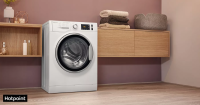
When you’re standing in your kitchen, contemplating that big appliance decision, the choice between freestanding vs integrated washing machines can feel quite overwhelming. At Joe Graham, we’ve helped countless families across Britain navigate this very decision, and we completely understand why it’s such a head-scratcher. After all, your washing machine isn’t just another appliance. It’s the hardworking, unsung hero that keeps your family’s clothes fresh and clean, day in and day out. One key advantage of seeking expert advice is that it helps you make the best choice for your specific needs, ensuring you get the most suitable washing machine for your home.
The truth is, there’s no universally “right” answer here. What works brilliantly in your neighbour’s sleek modern kitchen might be completely wrong for your cosy family home. That’s why we always encourage our customers to think beyond the initial appeal and consider how their choice will fit into their daily lives, both now and in the years to come. At Joe Graham & Son, we’re here to advise each person based on their unique needs, preferences, and budget, so you can make an informed decision that truly suits you.
Understanding Freestanding Washing Machines: The Time-Tested Choice
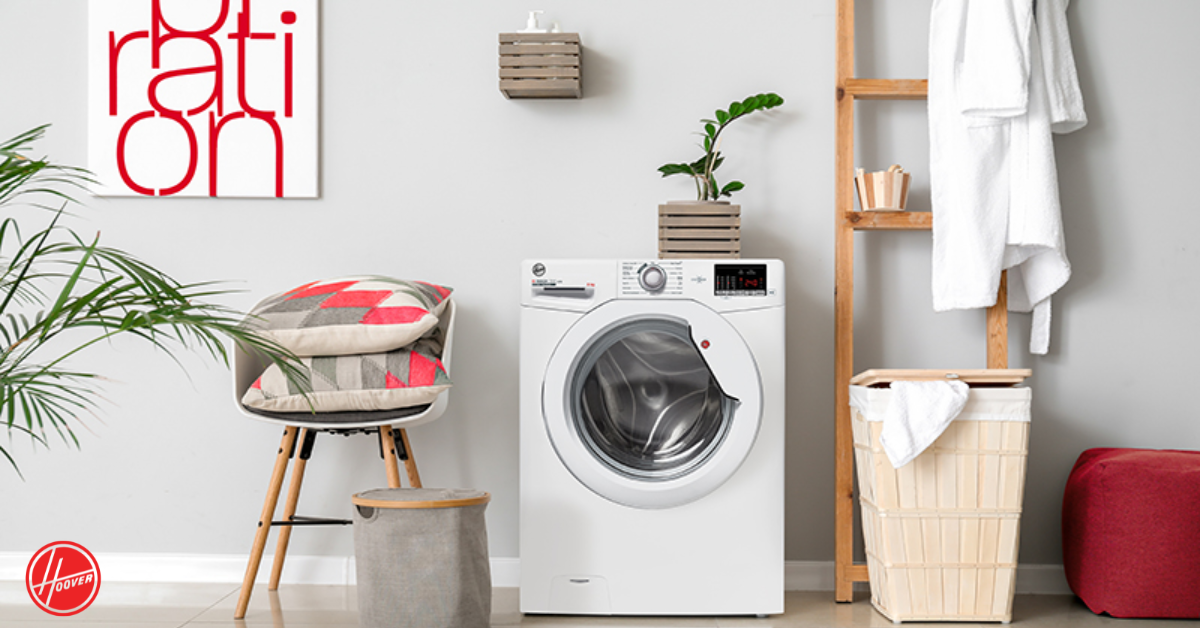
Let’s start with the familiar option, freestanding washing machines. These are the traditional white goods that most of us grew up with, the ones that stand proudly (or perhaps a bit awkwardly) in kitchens, utility rooms, and garages across Britain. They’re self-contained units with finished tops and sides, designed to work independently without needing to hide away behind cabinet doors.
Both integrated and freestanding washing machines perform the same job of cleaning clothes effectively, offering similar cleaning quality and rinsing performance.
What makes freestanding models so enduringly popular? They’re refreshingly straightforward. You choose your spot, ensure you’ve got the right plumbing and electrical connections, and you’re ready to begin. Freestanding washing machines are generally cheaper to purchase and install than integrated models.
Whether you’re renting a flat, renovating gradually, or simply prefer the flexibility to rearrange your space, these machines adapt to your lifestyle rather than dictating it. Freestanding washing machines are independent units, easier to install, repair, and move, and can be placed anywhere in the home, such as a utility room or garage. They often offer larger drum capacities, commonly available in 10kg or more, making them ideal for bigger households. Quick wash cycles help you complete laundry loads efficiently, saving valuable time during a busy week. They’re also generally kinder to your wallet, both initially and when it comes to installation costs.
The Reality Check: When Freestanding Might Not Be Perfect
If you’ve invested in a gorgeous fitted kitchen with sleek handleless cupboards and a carefully coordinated colour scheme, a traditional white washing machine might stick out. In open-plan living spaces, which are increasingly popular in British homes, this visual disruption can be particularly noticeable.
Space can also be a consideration. Freestanding machines need a bit of breathing room, and you’ll want to ensure you can open the door fully and access the back for maintenance. In smaller British kitchens, where every centimetre counts, this can sometimes feel like a luxury you can’t afford.
Then there’s the noise factor. Without the sound-dampening effect of surrounding cabinetry, freestanding machines can be a bit more vocal during their spin cycles, which is something to consider if your kitchen is near bedrooms or living areas where you like to relax in the evenings. Integrated washing machines, on the other hand, offer a low noise level because they are enclosed in cabinetry, which acts as a sound dampener and provides quieter operation, ideal for busy or shared household areas.
Need help deciding? Contact us now.
Exploring Integrated Washing Machines: The Invisible Option
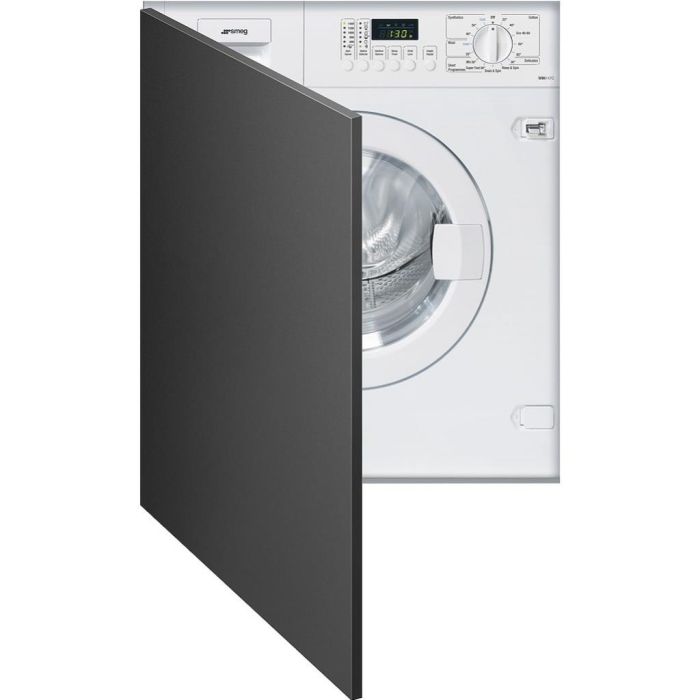
Let’s start with the familiar option, freestanding washing machines. These are the traditional white goods that most of us grew up with, the ones that stand proudly (or perhaps a bit awkwardly) in kitchens, utility rooms, and garages across Britain. They’re self-contained units with finished tops and sides, designed to work independently without needing to hide away behind cabinet doors.
Both integrated and freestanding washing machines perform the same job of cleaning clothes effectively, offering similar cleaning quality and rinsing performance.
What makes freestanding models so enduringly popular? They’re refreshingly straightforward. You choose your spot, ensure you’ve got the right plumbing and electrical connections, and you’re ready to begin. Freestanding washing machines are generally cheaper to purchase and install than integrated models.
Whether you’re renting a flat, renovating gradually, or simply prefer the flexibility to rearrange your space, these machines adapt to your lifestyle rather than dictating it. Freestanding washing machines are independent units, easier to install, repair, and move, and can be placed anywhere in the home, such as a utility room or garage. They often offer larger drum capacities, commonly available in 10kg or more, making them ideal for bigger households. Quick wash cycles help you complete laundry loads efficiently, saving valuable time during a busy week. They’re also generally kinder to your wallet, both initially and when it comes to installation costs.
The Reality Check: When Freestanding Might Not Be Perfect
If you’ve invested in a gorgeous fitted kitchen with sleek handleless cupboards and a carefully coordinated colour scheme, a traditional white washing machine might stick out. In open-plan living spaces, which are increasingly popular in British homes, this visual disruption can be particularly noticeable.
Space can also be a consideration. Freestanding machines need a bit of breathing room, and you’ll want to ensure you can open the door fully and access the back for maintenance. In smaller British kitchens, where every centimetre counts, this can sometimes feel like a luxury you can’t afford.
Then there’s the noise factor. Without the sound-dampening effect of surrounding cabinetry, freestanding machines can be a bit more vocal during their spin cycles, which is something to consider if your kitchen is near bedrooms or living areas where you like to relax in the evenings. Integrated washing machines, on the other hand, offer a low noise level because they are enclosed in cabinetry, which acts as a sound dampener and provides quieter operation, ideal for busy or shared household areas.
Need help deciding? Contact us now.
July 3, 2025
|
View: 4487
|
By: <a class="mp-info" href="https://joegraham247stag.findesolutions.co.uk/blog/author/admin.html">Admin</a>
About the Author


Ceramic vs Induction Hob: What's Best Compared to Gas
December 7, 2022


Signs Your Fridge Freezer Isn't Running As It Should
March 15, 2019

History of the Dyson Company
May 30, 2015



Which Slow Cooker Is the Best for Your Home?
April 27, 2026

Top Kitchen Appliances Brands to Consider for Your Home
April 27, 2026

Best Fridge Freezers: Top Models and Brands
March 23, 2026
